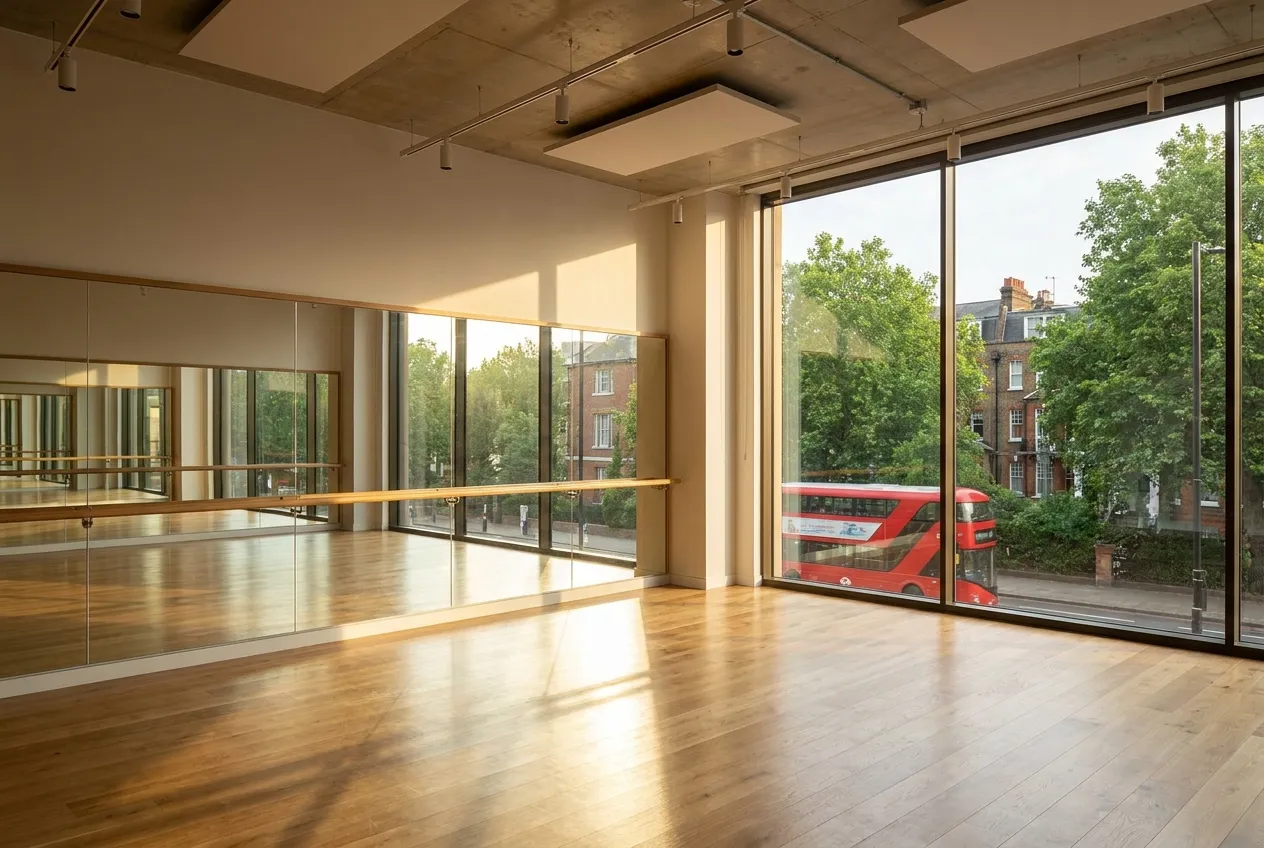

What Could Your Dance Studio Become During the Summer Break?
When regular classes pause, what happens to the space you have built?
For many dance studios, the summer holidays have traditionally meant a quieter period. Students leave for family holidays, instructors take breaks, and weekly class schedules become less consistent. As a result, many studios naturally see summer as a temporary slowdown before the new term begins.
But this view only considers one way a studio creates value.
A dance studio is not defined only by the classes that happen inside it. The space itself can support creativity, learning, collaboration, and community throughout the year. When regular timetables become more flexible, new opportunities emerge for different types of users — from dancers developing new skills to instructors, creators, and local communities looking for professional spaces.
This reflects a broader change in how creative spaces are being used. Studios are moving beyond the traditional model of fixed classes and becoming more adaptable environments that can respond to changing needs and seasonal demand.
The summer break is therefore not simply a pause between terms. It is an opportunity for studio owners to rethink how their space can create value beyond the regular schedule.
How Summer Holidays Create New Demand for Dance Studios
During the school term, most dance studios operate around a familiar rhythm: weekly classes, regular students, and fixed schedules. Summer holidays change this pattern by creating demand for shorter, more flexible programmes.
As families look for meaningful activities during school breaks, dance studios have the opportunity to support experiences beyond regular lessons. Holiday workshops, intensive training sessions, and short-term programmes can introduce new audiences to dance while creating additional ways to use studio space.
This trend can already be seen across London’s dance community. DanceWest’s 2026 Summer Fit & Fed Holiday Club, for example, uses its studio space during the school holidays to deliver structured dance sessions for children aged 7–12, combining movement, creativity, and confidence-building activities.
For dance studios, summer is not simply about replacing quieter weeks. It is an opportunity to create new programmes, reach different audiences, and unlock additional value from the space beyond the traditional timetable.
How Are Dance Studios Evolving Beyond Teaching Spaces?
A dance studio has traditionally been defined by the classes it provides. However, as the needs of dancers and creators change, studios are increasingly becoming spaces for a wider range of creative activities.
Beyond regular lessons, dancers use professional studios to develop choreography, prepare auditions, film content, and collaborate on new projects. For independent dancers and creators, access to a suitable space can be essential for turning ideas into finished work.
This reflects a broader shift in how creative spaces are being used. Studios are no longer only places where skills are taught — they are environments where ideas are developed, communities are formed, and creative work comes to life.
For studio owners, this creates an opportunity to think beyond class schedules and consider how their space can support different stages of the creative process.
How Can Summer Help Dance Studios Grow Beyond Regular Classes?
The biggest opportunity created by the summer holidays is not simply filling empty hours — it is connecting with people who may not otherwise discover the studio.
When regular schedules change, studios have the chance to welcome new audiences through holiday programmes, workshops, creative projects, and one-off events. A child attending a summer dance programme may become a long-term student, while a visiting choreographer or instructor may create future collaboration opportunities.
This approach can already be seen among dance studios that use their spaces in more flexible ways. Flow Dance Studio, for example, continues to operate as a space for regular dance classes while also opening its doors for private events, celebrations, and hourly studio hire. By adapting how the space is used, the studio can connect with different audiences and create additional value beyond its core timetable.
For studio owners, summer is therefore not just a quieter period between terms. It is an opportunity to expand how the space is used, build new connections, and create long-term value beyond regular class bookings.
Turning Seasonal Opportunities Into Studio Growth
School holidays are changing the way dance studios are used across the UK. While regular class schedules may pause, new opportunities emerge through holiday programmes, workshops, rehearsals, creative projects, and community events.
For studio owners, the challenge is no longer only about keeping the timetable full. It is about creating a space that can adapt to different types of demand throughout the year.
Flexible studio hire makes this possible by allowing spaces to support a wider range of users — from dancers preparing for performances and creators filming new content to instructors running workshops and communities hosting events. Instead of relying on one type of booking, studios can unlock new ways to generate value from the same space.
This is where SpaceCloud helps connect studios with people looking for professional spaces on a flexible basis. By making dance studios easier to discover and book, SpaceCloud enables studio owners to reach new audiences while giving dancers, instructors, and creators access to the right environment whenever they need it.
The most successful studios are no longer defined only by how full they are during term time. They are the ones that adapt to changing seasons, welcome new communities, and create opportunities beyond traditional classes.
So, What Does This Mean for Dance Studios?
The role of a dance studio is continuing to evolve.
While regular classes will always remain at the heart of dance education, the future of studios will be shaped by how well they adapt to changing needs. From holiday programmes and creative projects to rehearsals, workshops, and community events, studios are becoming spaces that support many different ways of learning, creating, and connecting.
For studio owners, this means looking beyond traditional schedules and considering how their space can create value throughout the year. For dancers and creators, it means having access to professional environments that support every stage of their creative journey.
Summer holidays are a reminder that spaces do not have to be defined by one purpose. The most valuable studios are those that can adapt, welcome new communities, and create opportunities whenever people need them.