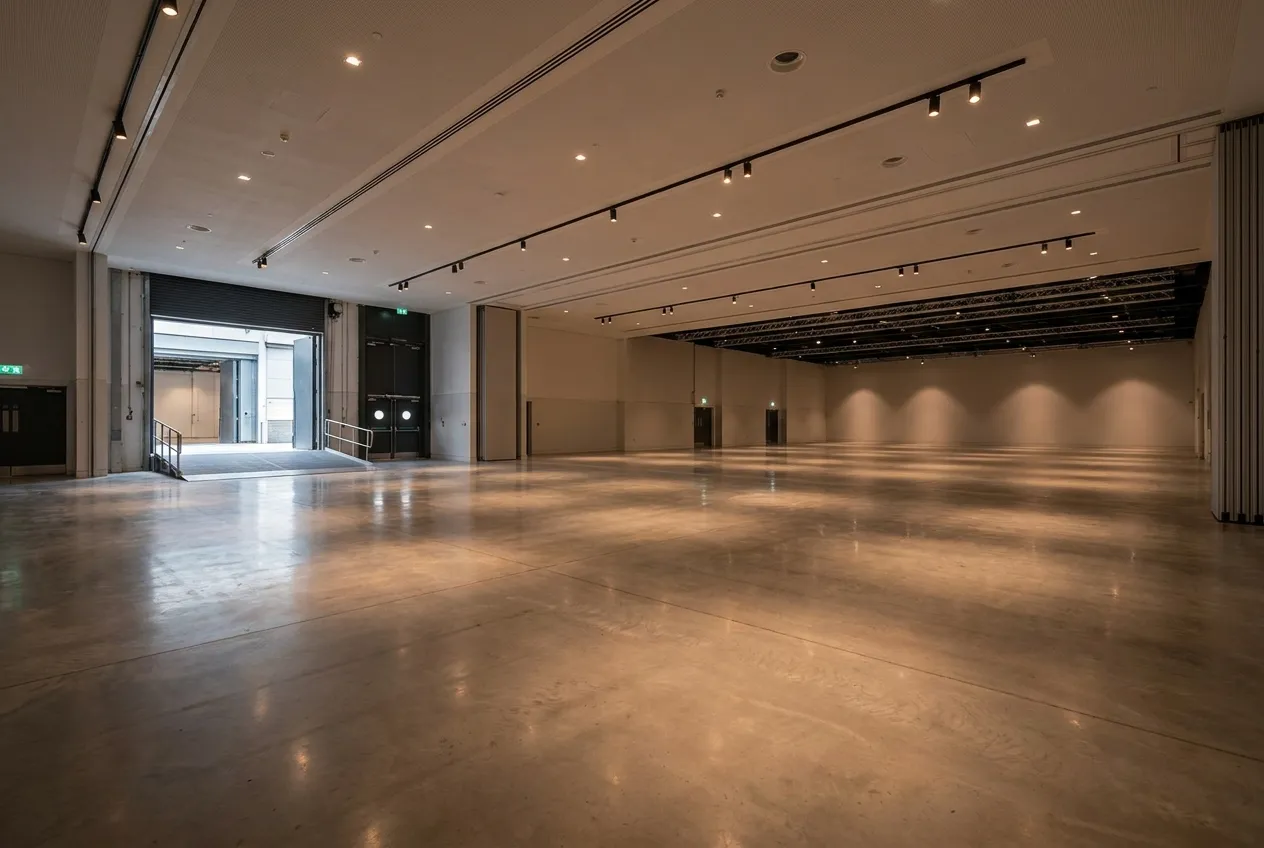

A Venue Can Look Perfect Online. But Will It Work on the Day?
A venue can look perfect online. The photos are impressive, the capacity looks right, and the location seems convenient. But experienced event planners know that choosing an event venue is about more than how a space looks on paper.
The real test begins when you step inside. During a site visit, planners start thinking beyond the room itself: how guests will arrive, how the event will flow, where suppliers will work, and whether the space can adapt if plans change.
This matters because the role of a venue is increasingly tied to the experience it creates. Cvent's 2026 research of 1,650 event planners found that attendee engagement is a leading measure of event success, while accessibility has also become a higher priority when selecting venues.
For experienced planners, a site visit is therefore less about asking, "Does this venue look good?" and more about asking, "Will this venue work when the event actually happens?"
Does the Space Work for the People Using It?
The first question is simple: will the space work for the people who are actually going to use it?
Getting to the venue is the first part of that experience. Transport links, parking, step-free access, lifts, and clear signage can all affect how easily guests arrive. Once inside, planners consider the practical details too — from accessible toilets and seating to refreshment areas and how easily people can move around the space.
Capacity also needs to be considered in context. A room may technically accommodate 100 guests, but once tables, staging, catering, registration, or networking areas are added, the usable space can change considerably.
For experienced planners, the question is therefore not simply, "How many people can this venue hold?" It is, "Will this space work comfortably for the people we are bringing together?"
Can the Venue Adapt to the Event?
Once planners know that a space works for their guests, the next question is whether it can work for the event itself.
Experienced planners rarely look at a room only as it is presented during a site visit. They are already imagining how it could change throughout the day — from a presentation in the morning to a workshop in the afternoon, or a networking session later on.
That is where layout flexibility becomes important. Movable furniture, open floor space, breakout areas, and different seating configurations allow planners to shape the space around the programme rather than adapting the programme to fit the room.
This is becoming an increasingly important consideration in venue sourcing. A 2026 report from Event Industry News notes that corporate clients are prioritising venues with greater layout flexibility, as adaptable spaces can accommodate changes in event formats and attendee numbers while reducing logistical pressure.
For experienced planners, the value of a venue is therefore not just how well it works for one event format, but how easily it can adapt as the event evolves.
What Happens Behind the Scenes?
A venue may work perfectly for guests, but experienced planners also think about the people who make the event happen. Some of these checks may seem obvious, but they can make a significant difference on the day.
The real test of a venue often happens outside the main event space. A flexible room means little if suppliers cannot access it efficiently, equipment has to travel through guest areas, or the setup window is too short to make the planned layout realistic.
This is where a site visit goes beyond simply looking around. Planners are considering the relationship between the front and back of house: how people, equipment, catering, and production teams will move through the building without disrupting the guest experience.
The same thinking applies to technical setup. Rather than asking whether a venue has AV, planners need to understand whether the infrastructure can support the event without creating additional work on the day.
The best venues are not necessarily the ones with the longest facilities list. They are the ones where the operational details have already been thought through — allowing the event team to focus on delivering the experience rather than solving problems behind the scenes
What Should You Ask During a Site Visit?
A site visit is where the details that are difficult to judge online become clear. Rather than simply getting a feel for the space, experienced planners use the opportunity to ask the questions that could prevent problems later.
Before confirming an event venue, it is worth asking:
Can the layout be adapted to different event formats?
What AV and technical support are included?
How does supplier access and setup work?
What are the catering arrangements and restrictions?
Is the venue fully accessible?
How early can the event team access the space?
Are there any restrictions that could affect the event?
The value of these questions is not simply in ticking off a checklist. Together, they help planners understand whether a venue can support the event they actually want to deliver — and whether there are any practical issues that need to be resolved before booking.
The Best Venue Is the One That Works
The most experienced event planners do not necessarily choose the biggest venue or the one with the most impressive interiors. They choose the space that works for the event they are trying to create.
It works for the guests arriving in the morning, the suppliers setting up behind the scenes, and the programme unfolding throughout the day. It gives people room to move, collaborate, connect, and focus without the space becoming another problem to manage.
This is why the value of an event venue is increasingly about more than its appearance. A well-chosen space can support the event from the first delivery to the final conversation, while a poorly matched venue can create friction at every stage.
Doing some of this research before a site visit can also make the decision easier. Reviewing detailed venue information, from facilities and capacity to available layouts and practical features, helps planners create a more focused shortlist and make better use of their time when visiting spaces in person.
For planners, choosing a venue is therefore not simply about finding somewhere to hold an event. It is about finding an environment that makes the event itself work better.
Find a Venue That Works for Your Event
The right venue starts with knowing what your event actually needs. With detailed information on facilities, capacity, layouts, and venue features, you can build a shortlist before arranging a site visit.
SpaceCloud makes it easier to discover and compare flexible meeting rooms, corporate event venues, and professional event spaces across London — helping you find a space that works not just on paper, but in practice.
👉 Explore event spaces across London with SpaceCloud and find the right venue for your next event.